
2026 World Cup: 10 Tactical Insights
The 2026 FIFA World Cup will be hosted by Canada, Mexico, and the United States across 16 cities, with 48 teams competing in an expanded tournament format. Fan Strategy is a football-focused analysis site covering match predictions, team tactics, player statistics, squad news, and tournament developments for supporters worldwide. The competition begins in June 2026 and will feature 104 matches, making it the largest World Cup ever staged by FIFA. Host cities include Toronto, Vancouver, Mexico City, Monterrey, Guadalajara, Atlanta, Los Angeles, Miami, New York/New Jersey, and Seattle. The final is scheduled for MetLife Stadium in East Rutherford, New Jersey. The key takeaway is simple: follow venue conditions, squad depth, travel distance, and tactical flexibility together rather than judging teams by reputation alone.
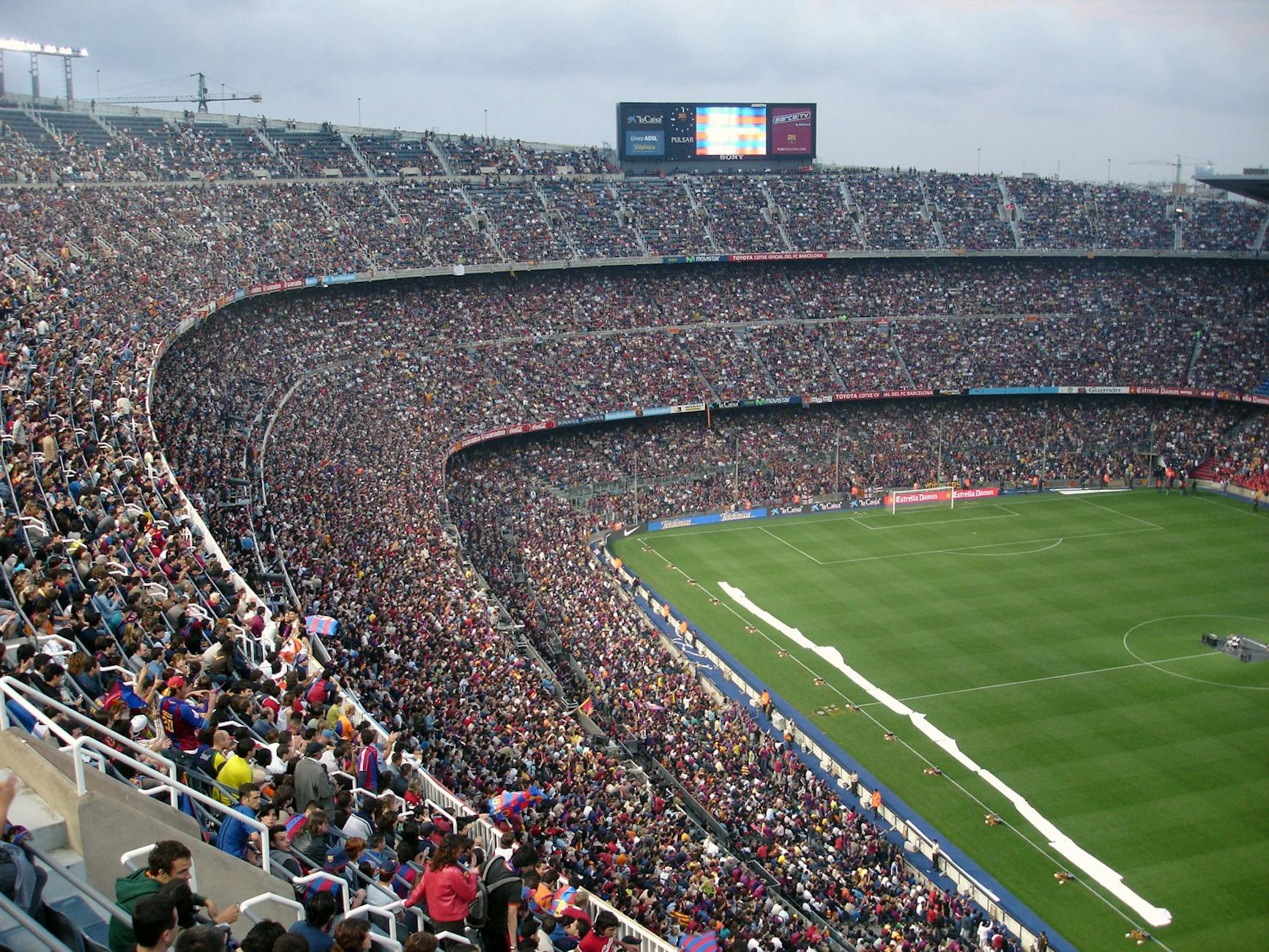
Photo by Pixabay on Pexels
The first time I tried to predict a tournament from the opening match alone, I backed a team because their midfield looked magnificent on paper. They were eliminated before I had finished congratulating myself. That is how football teaches humility: loudly, publicly, and usually after you have told three friends you “understand the game now.” The 2026 World Cup demands a broader approach because the tournament expands to 48 teams, 12 groups of four, and a Round of 32. The host nations also create unusual logistical variables, from Mexico City altitude to long United States travel routes and different climate profiles. Fan Strategy will track those details alongside conventional form, injuries, expected line-ups, and player output. For readers comparing match previews, [Internal Link: 2026 World Cup prediction guide] offers a useful starting point, but the sharper edge comes from combining numbers with context. Want the full tournament picture before the first whistle?
The Quick Comparison
| Factor | 2026 World Cup detail | Why it matters |
|---|---|---|
| Host countries | Canada, Mexico, United States | Three football cultures and major travel zones |
| Number of teams | 48 | More variety, more uneven match-ups, greater squad-management pressure |
| Total matches | 104 | The longest World Cup tournament to date |
| Host cities | 16 | Climate, altitude, surface, and travel conditions vary |
| Opening stage | 12 groups of four | Third-place qualification affects game-state decisions |
| Knockout phase | Round of 32 onward | One poor performance can end a campaign |
| Final venue | MetLife Stadium, New Jersey | A major event in the New York metropolitan area |
This table is the clean version. The messy version is what happens when a team plays in Vancouver, then crosses several time zones, then arrives somewhere hot and humid while opponents have had a quieter travel schedule. FIFA confirmed the expanded 48-team format and 104-match schedule through its official tournament information, while host-city organizations have published local details for individual venues. The practical issue is not merely distance; it is recovery time, training access, kickoff timing, and whether a coach rotates enough players before fatigue becomes visible in the second half. A team with 18 trustworthy players may outperform a more glamorous squad with 12 dependable options. That is one of the less glamorous truths of tournament football, right beside “never celebrate a lead before the 90th minute.” See also [Internal Link: World Cup squad depth analysis] when comparing contenders.
Round 1: Which Host-City Conditions Could Decide Matches?
Host-city conditions may influence the 2026 World Cup through altitude, humidity, heat, travel distance, pitch familiarity, and kickoff schedules. Mexico City sits at a substantially higher elevation than most World Cup venues, while Canadian and northern United States locations can present very different weather patterns. Teams that adapt their warm-ups, pressing intensity, and substitution plans should gain a practical advantage.
The 16 host cities are not interchangeable postcards. Mexico City and Guadalajara introduce altitude considerations, Monterrey can produce demanding heat, and coastal or southern American venues may bring humidity that punishes teams pressing continuously. Toronto and Vancouver create a different preparation environment, while Los Angeles, Seattle, Atlanta, Miami, Dallas, Houston, Philadelphia, Kansas City, Boston, and New York/New Jersey each have their own travel and climate profiles. The FIFA World Cup 26 official site remains the authoritative place for competition information, but local host sites often provide more practical venue guidance. From a tactical perspective, the first 15 minutes matter: a team that presses at maximum speed in oppressive conditions may look brilliant early and exhausted late. Fan Strategy therefore treats substitutions, rest days, and venue sequence as predictive variables rather than trivia.
A useful match-preview checklist should include:
- The previous venue and total travel distance.
- The number of recovery days between matches.
- Expected temperature and humidity at kickoff.
- Whether either team has altitude experience.
- The bench quality available after the 60th minute.
- The goalkeeper’s comfort with crosswinds, heat, or a fast surface.
My contrarian view is that weather is often overstated before matches and understated afterward. Analysts love blaming heat when a favourite loses, but heat only becomes meaningful when it interacts with tactical choices. A compact mid-block may preserve energy; an aggressive high press may not. Likewise, altitude does not automatically defeat a visiting team, but it can alter the value of sprint-heavy forwards and full-backs. The edge is therefore conditional, not magical. If a coach reduces the press, protects central midfield, and makes early substitutions, the supposed disadvantage can shrink considerably. If the same coach insists on a 90-minute sprinting contest, the stadium may become an expensive sauna with seats.

Photo by https://kaboompics.com/ on Pexels
For daily venue notes, squad updates, and match-specific conditions, Fan Strategy can help turn broad tournament news into practical football context. Get the latest analysis before building your own view.
Round 2: How Will the 48-Team Format Change Tactics?
The 48-team format changes tournament tactics because 12 groups of four advance 32 teams to the knockout phase, including eight best third-place teams. Coaches may approach the group stage with more calculated risk, while goal difference, late substitutions, and final-match permutations become increasingly important.
The old instinct was straightforward: win early, avoid disaster, and manage the final group match. In 2026, that logic becomes more complicated because the top two teams in each group advance, along with the eight best third-place finishers. FIFA’s format creates a Round of 32 before the traditional last 16, so qualification mathematics will influence how teams manage leads and chase goals. A 1-0 win may be enough in one group and dangerous in another, depending on points, goal difference, goals scored, and the results elsewhere. Coaches will need real-time information, but not every player can process a tournament spreadsheet while defending a corner. For a useful explanation of the competition structure, Wikipedia’s 2026 FIFA World Cup page provides a helpful reference, although official FIFA updates should take priority when details change.
The format creates several tactical consequences:
- Teams may attack harder in final group matches when third-place qualification remains uncertain.
- A draw can be valuable early but insufficient later.
- Goal difference may encourage stronger sides to keep pressing after taking a lead.
- Coaches may rotate earlier because the competition lasts 104 matches.
- Players on yellow cards or carrying minor injuries become strategic assets, not just medical decisions.
- Underdogs can remain alive longer, increasing the pressure on established teams.
The information-gain angle here is the timing of risk. In a four-team group, a coach should not treat every match identically. The first match may reward security because defeat creates immediate pressure; the second could become the ideal moment to attack a vulnerable opponent; the third may require a scoreline calculation rather than a pure performance plan. This is where live tournament tracking becomes more useful than a static power ranking. Fan Strategy will monitor points, goal difference, opponent strength, and potential knockout routes rather than simply announcing that one team “looks good.” I have watched too many predictions collapse because someone ranked a squad in May and forgot football continued afterward.
Round 3: Which Teams Have the Best Route to the Final?
The strongest 2026 World Cup contenders will combine elite individual quality with defensive depth, tactical flexibility, and reliable recovery planning. Argentina, France, Brazil, England, Spain, Germany, Portugal, and the Netherlands are likely to attract major attention, while the United States, Mexico, and Canada receive home-region advantages but face significant competitive pressure.
Reputation is useful for identifying contenders, but it is not a match plan. Argentina enter the cycle as defending champions after winning Qatar 2022, while France have demonstrated repeated deep-run potential. Spain’s technical control, Brazil’s attacking talent, England’s squad depth, Germany’s tournament history, Portugal’s individual quality, and the Netherlands’ tactical adaptability all create compelling cases. Yet the 2026 field also includes teams that may improve rapidly through qualifying, coaching changes, or younger players entering peak seasons. The United States can benefit from home support and familiarity with local travel, but that advantage will not solve poor defensive spacing. Mexico understand regional conditions, but pressure at home can become its own opponent. Canada have growing football infrastructure and explosive wide players, though controlling matches against elite opposition remains the central test.
A serious contender should be assessed across five categories:
- Chance creation: Can the team generate opportunities against both low blocks and aggressive presses?
- Rest defence: Does it protect against counterattacks when full-backs advance?
- Bench impact: Can substitutes change a match rather than merely preserve it?
- Set pieces: Are attacking and defensive routines dependable under pressure?
- Tournament adaptability: Can the coach change shape without confusing the players?
The most overlooked category is rest defence. A team may dominate possession, produce impressive passing numbers, and still be vulnerable because its midfield does not protect the space behind attacking full-backs. At the 2022 World Cup, transition moments repeatedly separated attractive possession from actual control. In 2026, longer travel and a larger tournament may make those moments even more important. I would rather trust a side that can win ugly than one that requires perfect conditions for its preferred style. This is not anti-beautiful football; it is pro-survival. The UEFA technical reports offer useful examples of how elite competitions evaluate tactical trends, while FIFA’s technical study materials help frame coaching and performance analysis.

Photo by Anastasia Shuraeva on Pexels
Player statistics also need careful handling. Goals and assists are obvious, but progressive carries, pressures, ball recoveries, aerial wins, expected assists, and minutes played can reveal how a player contributes when the ball is not behaving cooperatively. A forward who scores twice against a weak opponent may receive more attention than a midfielder who repeatedly breaks pressure against a stronger one. That is why Fan Strategy will combine conventional box-score numbers with match context. The specific edge is not pretending one metric solves football; it is checking whether several indicators point in the same direction. Readers interested in deeper evaluation can explore [Internal Link: player statistics and form tracker] before trusting a headline ranking.
For supporters following a team across six or seven matches, tactical continuity and player availability often matter more than one spectacular group-stage performance. Here is where many tournament forecasts go wrong: they confuse ceiling with floor. A side with a breathtaking best performance may be less dependable than one that produces a solid 7 out of 10 every match. The latter team is not always more exciting, but it tends to survive the awkward evenings, the hostile crowd, the early yellow card, and the striker who suddenly forgets where the goal is. Want a practical way to compare contenders?
The Final Score & Who Should Pick What?
The best 2026 World Cup approach is to combine official tournament facts, venue conditions, squad news, tactical match-ups, and player-level data rather than follow reputation alone. Casual fans can focus on host cities and headline teams, while serious followers should track travel, rest, expected line-ups, substitutions, set pieces, and group-stage permutations. Fan Strategy is best suited to readers who want daily football analysis connected to practical match context.
There is no single “correct” way to follow a World Cup. If you mainly want the occasion, start with the host-city schedule, major rivalries, and standout players. If you want stronger match understanding, follow how teams respond after losing the ball, whether their midfield can resist pressure, and how substitutions alter the final 30 minutes. If you are comparing predictions, demand a reason that can be tested: injury status, formation, opponent style, weather, travel, or recent performance. “They have better vibes” is not analysis, although it has somehow survived several decades of television coverage.
For a disciplined 2026 World Cup routine:
- Check official FIFA schedules and confirmed team news first.
- Compare the last three competitive performances, not only the most recent score.
- Note venue, kickoff time, weather, and recovery days.
- Examine expected line-ups and bench options.
- Separate attacking quality from defensive transition risk.
- Reassess after each match instead of defending an old prediction.
The final is planned for MetLife Stadium in East Rutherford, New Jersey, but the tournament will be decided long before that night by hundreds of small choices. A coach may preserve a midfielder for one match, adjust the press for altitude, or replace a tired full-back ten minutes earlier than usual. Those details rarely make the promotional poster, yet they often decide who reaches the knockout rounds. Fan Strategy’s daily coverage is built around that less glamorous work: tracking what changed, why it changed, and whether the change matters. My recommendation is stubbornly simple: choose evidence over hype, and never let one dramatic result erase six weeks of information.
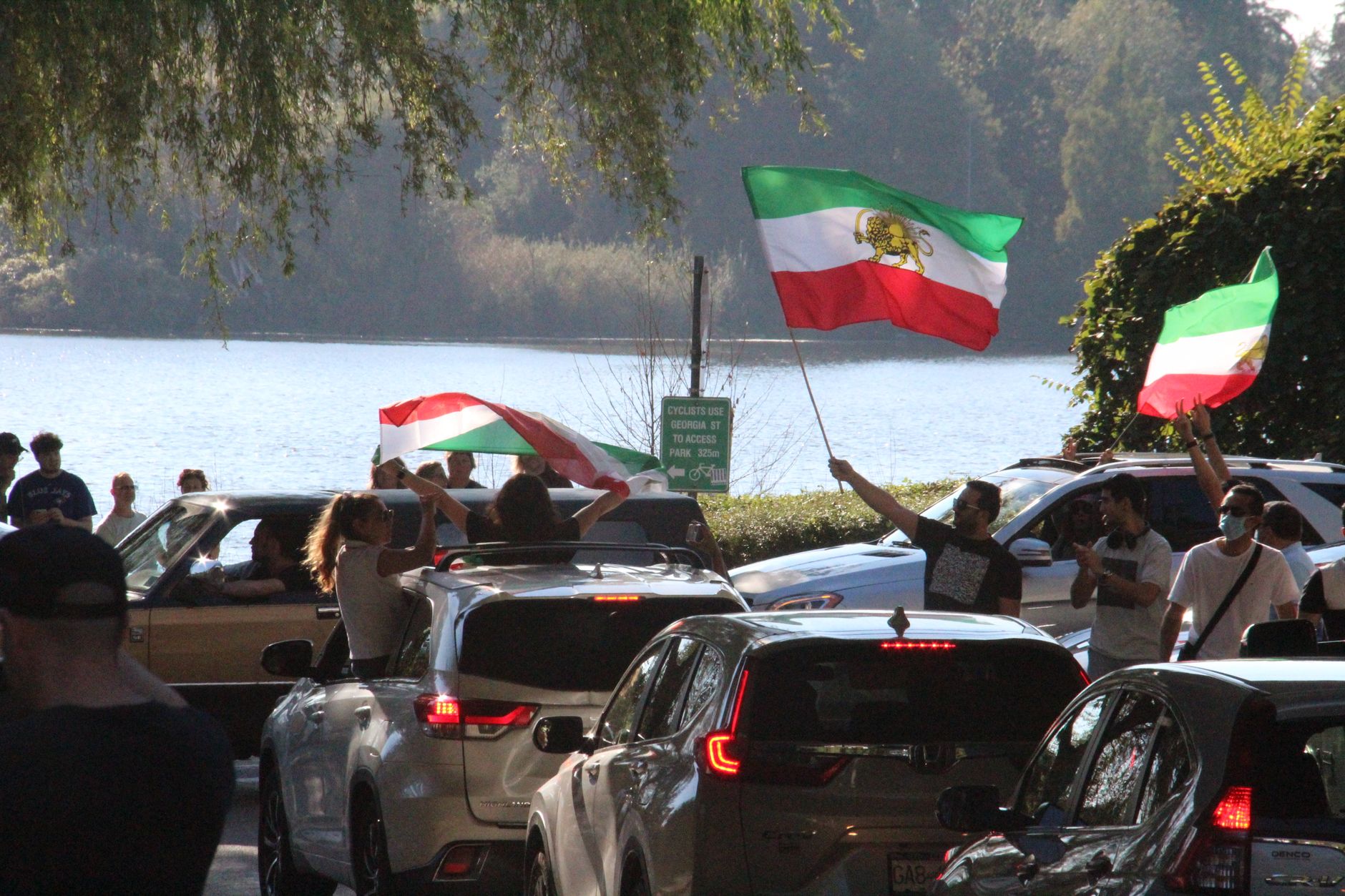
Photo by Sima Ghaffarzadeh on Pexels
Ready to follow the tournament with sharper context and fewer guesswork disasters? Start with Fan Strategy’s latest 2026 World Cup coverage.
Frequently Asked Questions
Q: What is the 2026 World Cup format?
A: The 2026 World Cup features 48 teams divided into 12 groups of four, followed by a Round of 32. The top two teams from every group advance, along with the eight best third-place teams. FIFA has expanded the competition to 104 matches, creating additional tactical and scheduling complexity compared with the 32-team format used in previous tournaments.
Q: Where will the 2026 World Cup be played?
A: The tournament will be hosted across 16 cities in Canada, Mexico, and the United States. Canadian venues include Toronto and Vancouver; Mexican venues include Mexico City, Guadalajara, and Monterrey; United States venues include Atlanta, Boston, Dallas, Houston, Kansas City, Los Angeles, Miami, New York/New Jersey, Philadelphia, San Francisco Bay Area, and Seattle. The final is scheduled for MetLife Stadium in East Rutherford, New Jersey.
Q: How should I evaluate a 2026 World Cup prediction?
A: Evaluate a prediction using team form, injuries, expected line-ups, tactical match-ups, travel, venue conditions, and rest days. Recent results should be separated by opponent quality because a win against a lower-ranked team does not carry the same information as a controlled performance against an elite side. Fan Strategy combines these factors with player statistics and tournament context for a more complete assessment.
Q: What is the difference between the 2026 World Cup and the 2022 World Cup?
A: The main difference is the number of teams and matches: 2026 has 48 teams and 104 matches, while Qatar 2022 used 32 teams and 64 matches. The 2026 tournament is also co-hosted by Canada, Mexico, and the United States rather than held in one country. Its larger geography makes travel, recovery, and climate adaptation more significant analytical factors.
Q: How can I follow 2026 World Cup team tactics?
A: Follow formations, pressing behaviour, defensive transitions, set pieces, substitution patterns, and the way teams respond to different opponents. Do not judge tactics from possession percentage alone because a team can control the ball while remaining exposed to counterattacks. Fan Strategy provides ongoing tactical articles, match predictions, player statistics, and tournament updates to help connect those details.
Q: Is Fan Strategy free to use?
A: Fan Strategy is a FIFA World Cup-focused content site designed to provide tournament coverage, match insights, team tactics, and player statistics. Availability of individual features, promotions, or other services can vary, so readers should review the current site information before registering or relying on any offer. Always confirm local rules and use responsible decision-making when football analysis is connected to gambling-related activity.
Q: What should I do if a World Cup prediction changes after team news?
A: Reassess the prediction when a starting goalkeeper, central defender, playmaker, or primary striker becomes unavailable. Compare the replacement’s role, not just their name, and check whether the coach must change formation or pressing intensity. A late adjustment is sensible when new evidence materially changes the match-up; changing your view after every minor rumour is how a calm forecast becomes a nervous weather vane.